

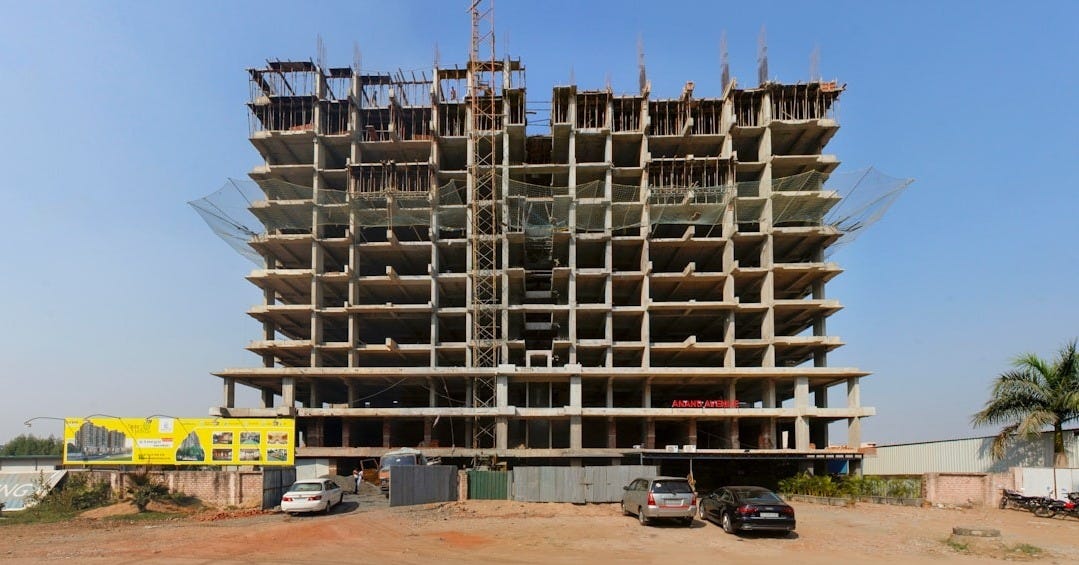
There is a sequence in 1 Corinthians 3 that should make any serious student of the Bible stop and think carefully about what they are actually building.
Paul says that no other foundation can be laid than the one already laid, which is Jesus Christ. But then he says that on that foundation, people build with different materials: gold, silver, precious stones, wood, hay, straw. The foundation is the same for all of them. What differs is what goes on top of it. And the day will come, he says, when fire will test the quality of each person’s work. Not the sincerity of the worker. Not the effort invested. The quality of the materials.
“If anyone’s work which he has built on it endures, he will receive a reward. If anyone’s work is burned, he will suffer loss; but he himself will be saved, yet so as through fire” (1 Corinthians 3:14-15, NKJV). Notice the distinction. The foundation holds. The person is not lost. But the work, everything built above the foundation, gets tested by whether it was built from materials that can withstand the heat.
What determines the quality of the materials? This is where the foundation question gets specific. The building materials of a life of faith are not first the experiences, the feelings, the answered prayers, the moments of warmth and spiritual intensity. Those things are real and they matter. But they are not the foundation and they are not the primary building material. The Word of God is. And a faith built primarily on experience, however genuine the experience was, is building with a different grade of material than a faith built on what God has actually said.
Here is why this matters practically. Experience is contextual. It happens in specific circumstances, at specific emotional registers, in specific seasons of life. A faith whose primary ballast is the memory of how God felt close in a particular moment is a faith that will wobble when circumstances produce a very different set of feelings. Not because God has changed or withdrawn, but because the structure was built on something that fluctuates rather than something that holds constant.
“Your word is a lamp to my feet and a light to my path” (Psalm 119:105, NKJV). The lamp metaphor is worth sitting with. A lamp does not produce the path. It reveals the path that is already there. The Word illuminates what is already true about reality, about God’s character, about the direction a life needs to move, about what sin costs and what grace provides. A person navigating by the lamp is not moving through darkness by guesswork. They are moving through it by a reliable and consistent light that remains available regardless of how dark the surrounding conditions become.
But there is something that must happen before the building can go up on any foundation. Something the text is honest about even when the honesty is uncomfortable. A person cannot genuinely repent of what they do not genuinely recognize as sin. The pardon is real and available and offered freely. But it is offered to the person who has actually understood what they are being pardoned from. Not a vague sense of general imperfection. A real reckoning with what sin is, what it does, who it offends, and what it cost to provide the remedy.
David wrote Psalm 51 after a specific failure with specific consequences. What is striking is not just the remorse but the precision of it. “Against You, You only, have I sinned, and done this evil in Your sight” (Psalm 51:4, NKJV). He is not performing contrition. He has understood something specific about the nature of what he did, and the understanding produces a grief that is equally specific. And out of that grief comes a fruit the text calls fruit worthy of repentance, which is not a continued pattern of the same behavior but a genuine reorientation of the life in a different direction.
The solid foundation is the Word that reveals both the sin and the Savior with equal clarity. The building materials are the obedience that the Word produces in the person who has genuinely encountered it. And the quality of the structure is tested not by how impressive it looked during construction but by whether it holds when the fire comes. Jesus said the person who hears His words and does them is like a man who built his house on rock. The flood came, the wind blew, the streams beat against that house, and it did not fall. Not because the house was invulnerable to pressure. Because what it was built on did not move when the pressure arrived.
What gets built on that foundation, and what it starts to look like as it goes up over years of faithful building, is a question worth carrying into the rest of the week.
Focus Verse: “For no other foundation can anyone lay than that which is laid, which is Jesus Christ.” — 1 Corinthians 3:11 (NKJV)

Ready for Biblical Study That Goes Deeper Than Sunday School?
Join Truth Prospectors receiving systematic biblical teaching using Scripture-interpreting-Scripture methodology. No denominational filters. No shallow devotionals. Just the authority of God’s Word unlocking Christ’s complete ministry through the Sanctuary framework.
The Word Miner Ministries Resources
LISTEN to The Word Miner Podcast
Tired of surface-level Bible teaching? Join us as we tactically mine Scripture’s hidden treasures through sanctuary-based interpretation. Discover how systematic Bible study reveals Christ’s complete ministry and empowers you to unearth profound truths that denominational traditions often miss.

Your spiritual expedition begins now.
READ Our Daily Devotional: The Daily Shekinah Revival
Daily devotions restoring God’s glory within. A biblical devotional series that guides Truth Prospectors through daily encounters with God’s presence, using sanctuary typology and Scripture-centered teaching to restore authentic spiritual revival in the believer’s heart and life.

Read our daily devotional today!
GET The Book: THE WAY: Discovering God’s Blueprint

What if the Bible’s key has been hidden in plain sight? Once you see it, Scripture will no longer seem scattered.
Sincere believers have pieced together disconnected verses, endured shallow teachings, and seen interpretations fail. The answer is the Biblical Sanctuary: God’s divine blueprint in Scripture from Genesis to Revelation. It’s not a human system but a pattern that unlocks prophecy, reveals Christ’s ministry, and turns fragmented knowledge into understanding.
LEARN The Core Pillars of Bible Study
Want to dig deeper into these truths? Explore The Core Pillars of Bible Study. Discover how Christ is the Center of all interpretation, why The Sanctuary is the Map for understanding God’s Word, and learn how Scripture is the Authority that interprets itself.
CONNECT WITH US:
Find Us on Social Media:
Legal “Stuff”
© 2026 The Word Miner Ministries