

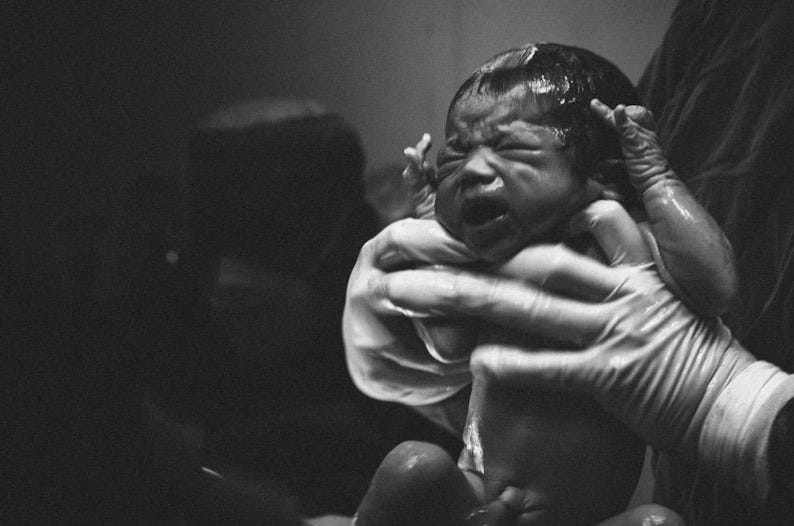
What Jesus really meant when He told Nicodemus, "You must be born again"?
Was He talking about an emotional experience, a theological position, or something far more radical than either of those options?
Here's what I've discovered through careful study of Scripture and life experience: the new birth is nothing less than the complete transformation of our fundamental orientation toward God and His law. It's not just a change of mind or heart—it's a change of nature itself.
Before this spiritual rebirth, Scripture describes our hearts as being in opposition to God's principles. This isn't describing occasional rebellion or periodic moral failure. This is describing our basic nature as fallen human beings. We don't just break God's law—we hate God's law. We don't just fall short of His standards—we resent His standards.
This is why moral reformation, no matter how sincere, can never solve our spiritual problem. You can train a person to behave differently, but you can't change their fundamental nature through external pressure. A heart that hates God's standards might learn to comply with them out of fear or social pressure, but it will never delight in them until something changes at the core level.
This is what the new birth accomplishes: it brings our hearts into complete harmony with God by aligning them with His character as revealed in His law. Notice the connection between being in harmony with God and being in accord with His standards. These aren't two separate things—they're the same thing, because God's law is the revelation of God's character.
When your heart is truly transformed, you don't see God's commandments as burdensome restrictions imposed by a demanding deity. You see them as beautiful expressions of perfect love, wisdom, and righteousness. John captures this perfectly: "For this is the love of God, that we keep His commandments, and His commandments are not burdensome" (1 John 5:3).
Think about how this works in human relationships. When you truly love someone, doing things that make them happy doesn't feel like a burden—it feels like joy. When you care deeply about someone's wellbeing, protecting their interests doesn't feel like sacrifice—it feels like privilege. This is what happens when the new birth brings our hearts into harmony with God.
But here's what many Christians miss: this transformation doesn't happen through willpower, religious discipline, or moral effort. It happens through divine grace working on the heart level. This supernatural change must come from above, not from within our own efforts.
However, this doesn't mean we're passive in the process. The new birth creates new desires, new motivations, and new power to live differently. When someone truly experiences this transformation, they move from spiritual death to spiritual life, from bondage to sin toward freedom in holiness, from rebellion against God toward joyful obedience and loyalty.
This is why genuine conversion always produces visible changes in how people live. Not because they're trying to earn God's approval, but because they've received a new heart that naturally wants to please God. Not because they're afraid of punishment, but because they've fallen in love with righteousness.
The new birth doesn't make us perfect instantly, but it does make us different immediately. It doesn't eliminate the struggle against sin, but it does change which side we're fighting on. It doesn't make obedience automatic, but it does make obedience desirable.
"I will give you a new heart and put a new spirit within you; and I will remove the heart of stone from your flesh and give you a heart of flesh." - Ezekiel 36:26
