


There is a statement in Scripture that tends to produce one of two responses when people encounter it seriously.
Either it sounds like an impossible promise, the kind of aspirational language that looks good on a page but has no contact with how the Christian life actually goes in practice. Or it sounds like the most stabilizing thing anyone has ever said, the kind of anchor that holds when nothing else does. What it sounds like depends almost entirely on what the person hearing it understands about the mechanism behind it.
John says plainly: “Whatever is born of God overcomes the world. And this is the victory that has overcome the world — our faith” (1 John 5:4, NKJV). Not might overcome. Not can overcome under the right conditions. Overcomes. The present tense is the claim. And the mechanism is faith, specifically the faith that connects the believer to the One who has already overcome the world (John 16:33).
What makes this more than aspirational language is the category it is drawing on. Peter describes it in terms that should stop a careful reader: “by which have been given to us exceedingly great and precious promises, that through these you may be partakers of the divine nature, having escaped the corruption that is in the world through lust” (2 Peter 1:4, NKJV). Partakers of the divine nature. Not admirers of it. Not distant observers of it. Participants in it. The faith that lays hold of what Christ accomplished is not simply a change of standing before God. It is a connection to a nature that is qualitatively different from what was there before.
Think about what this means for the question of overcoming. The person whose only resources are their own character, their own willpower, their own accumulated patterns of behavior, is facing temptation with a limited set of tools that have already demonstrated their limitations. The track record is available to them every time they are honest about it. They know what they are capable of generating on their own terms, and they know what happens when the pressure of a particular temptation exceeds what their own resources can withstand.
But the person who has genuinely laid hold by faith of the divine nature is not fighting with the same set of tools. The power they are drawing on is not generated by their own character. It is claimed from the One who died specifically to make it available: the power to save and to keep from sin. Not simply to forgive the sin after it has occurred, though that provision is real and necessary. The power to keep from sin in the moment when the temptation is present and the person’s own resources have reached their limit.
This is why the text connects prayer and belief so directly to the reality of overcoming. The person who prays is the person who is maintaining the connection to the source of the power. Not generating the power by the quality of the prayer, but remaining in the posture of dependence that allows the power to flow. “Ask, and it will be given to you; seek, and you will find; knock, and it will be opened to you” (Matthew 7:7, NKJV). The asking is the maintenance of the connection. The giving is what happens through the connection. And the person who keeps the connection active, who does not try to fight on their own when the moment of trial arrives, is the person the text describes as one who cannot be overcome.
The word cannot is the part that demands the most honest attention. Because the experience of most sincere Christians does not obviously look like someone who cannot be overcome. It looks like a person who overcomes sometimes and fails other times, who has patterns of genuine victory and patterns of genuine failure, who would describe themselves as fighting rather than winning. And the gap between that experience and the text’s claim is real and should not be minimized.
But the gap is located in a specific place. The person who is fighting on their own terms, who claims the forgiveness when they fail but does not actively claim the power in the moment of temptation, is not in the same position as the person who has learned to claim the power before the failure rather than the forgiveness after it. The provision exists for both. But only one of them is drawing on what makes overcoming possible before the threshold is crossed.
The difference between those two postures is worth sitting with carefully. Because the provision exists for both the moment before the fall and the moment after it. But the person who has learned to claim the power in the moment of temptation rather than the forgiveness in the moment of failure is not the same person they were before they learned that. The claiming changes the moment. The moment the temptation is brought to the divine provision rather than engaged on the person’s own terms, the conditions of the encounter change. The overcomer is not a person with a better temperament or a stronger constitution. They are a person who has learned where the power actually lives and who goes there before the battle rather than after it.
Focus Verse: “For whatever is born of God overcomes the world. And this is the victory that has overcome the world — our faith.” — 1 John 5:4 (NKJV)

Ready for Biblical Study That Goes Deeper Than Sunday School?
Join Truth Prospectors receiving systematic biblical teaching using Scripture-interpreting-Scripture methodology. No denominational filters. No shallow devotionals. Just the authority of God’s Word unlocking Christ’s complete ministry through the Sanctuary framework.
The Word Miner Ministries Resources
LISTEN to The Word Miner Podcast
Tired of surface-level Bible teaching? Join us as we tactically mine Scripture’s hidden treasures through sanctuary-based interpretation. Discover how systematic Bible study reveals Christ’s complete ministry and empowers you to unearth profound truths that denominational traditions often miss.

READ Our Daily Devotional: The Daily Shekinah Revival
Daily devotions restoring God’s glory within. A biblical devotional series that guides Truth Prospectors through daily encounters with God’s presence, using sanctuary typology and Scripture-centered teaching to restore authentic spiritual revival in the believer’s heart and life.

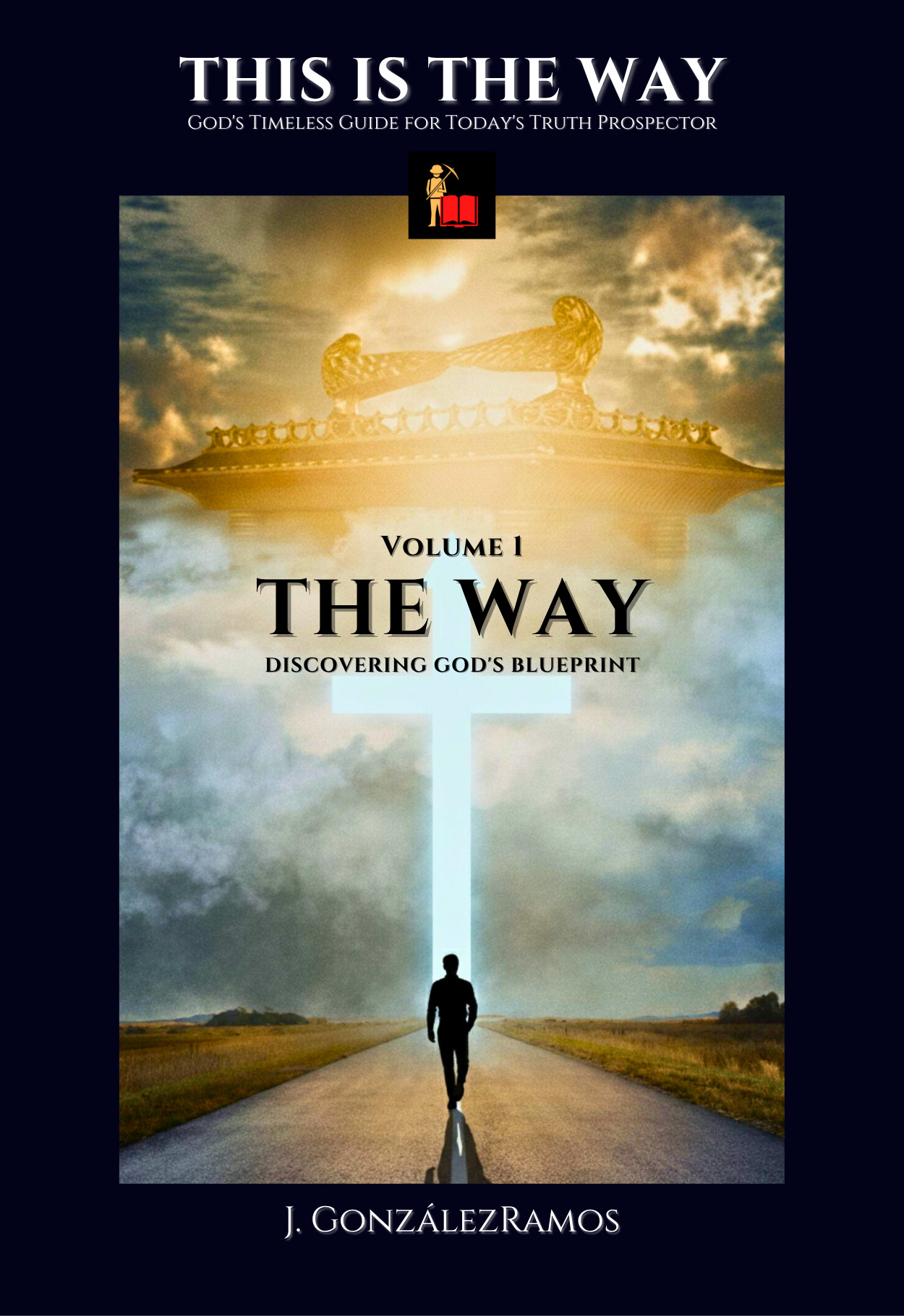
GET The Book: THE WAY: Discovering God’s Blueprint
What if the Bible’s key has been hidden in plain sight? Once you see it, Scripture will no longer seem scattered.
Sincere believers have pieced together disconnected verses, endured shallow teachings, and seen interpretations fail. The answer is the Biblical Sanctuary: God’s divine blueprint in Scripture from Genesis to Revelation. It’s not a human system but a pattern that unlocks prophecy, reveals Christ’s ministry, and turns fragmented knowledge into understanding.
LEARN The Core Pillars of Bible Study
Want to dig deeper into these truths? Explore The Core Pillars of Bible Study. Discover how Christ is the Center of all interpretation, why The Sanctuary is the Map for understanding God’s Word, and learn how Scripture is the Authority that interprets itself.
CONNECT WITH US:
Find Us on Social Media:
Legal “Stuff”
© 2026 The Word Miner Ministries