

Do you truly grasp how little time remains for the work we've been given to do?
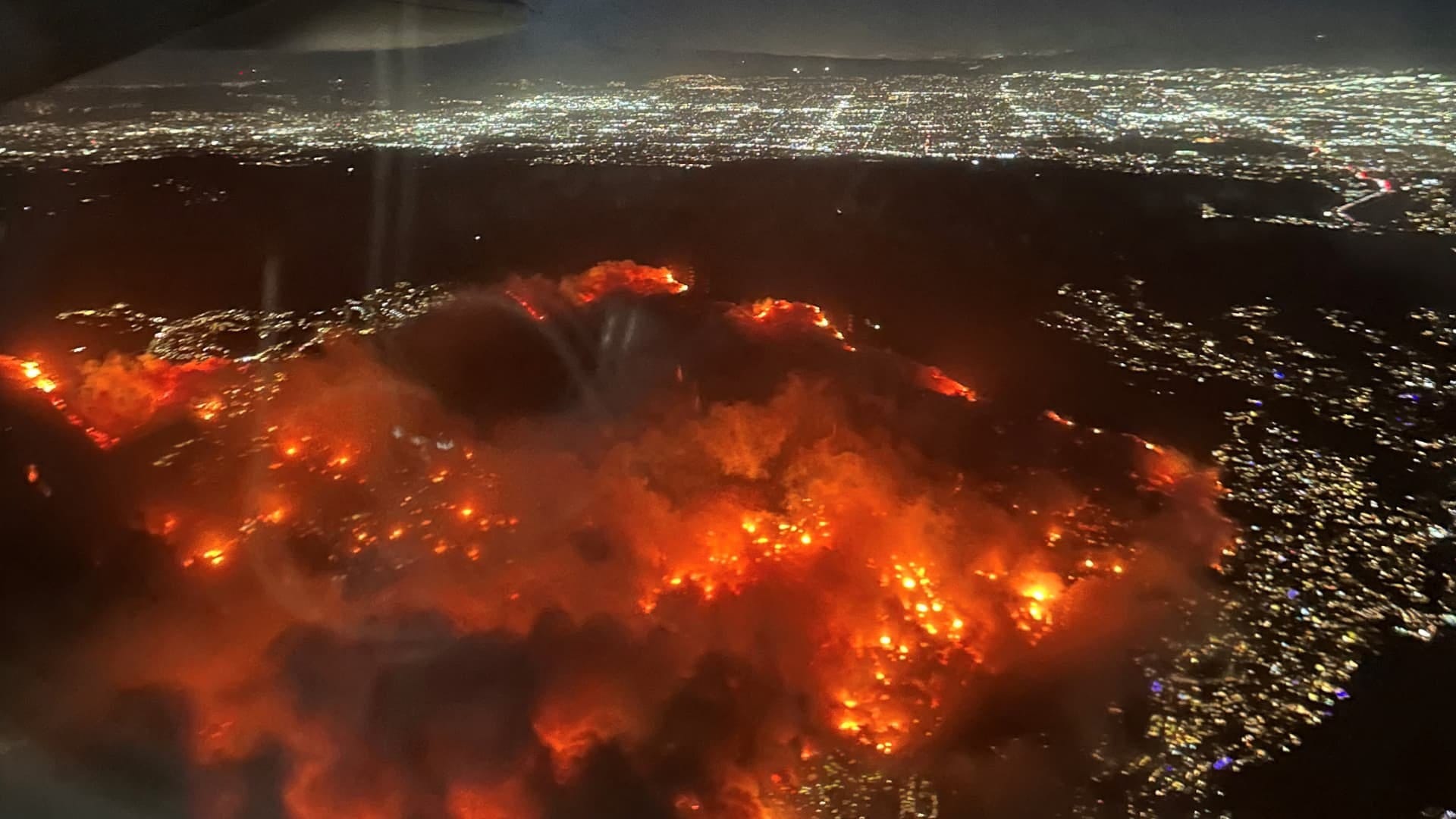
The images coming out of Southern California in January 2025 left me deeply shaken, not just by the devastation, but by the dramatic contrast between those who understood the urgency and those who didn't. The Palisades Fire, which started on January 7th, would eventually destroy 6,837 structures and damage over 1,000 more, making it the third-most destructive wildfire in California's history. The Eaton Fire, starting the same day, proved even more devastating, destroying 9,418 structures and becoming the second-most destructive and fifth-deadliest wildfire in state history.
What struck me most about the news coverage wasn't just the dramatic footage of flames consuming entire neighborhoods, but the human stories of evacuation. Over 200,000 people were ordered to evacuate as fires burned through roughly 57,636 acres, fueled by severe Santa Ana winds, drought conditions, and warmer-than-typical temperatures.
I watched interview after interview where the same pattern emerged. Emergency personnel were working with desperate intensity, going door-to-door, pleading with residents to leave immediately. They understood something many residents didn't fully grasp: when wildfire conditions align with Santa Ana winds, the window for safe evacuation can close in minutes, not hours.
Some residents heeded the warnings immediately, grabbing essentials and leaving everything else behind. Others hesitated, trying to pack belongings, debating whether the danger was really that immediate, or assuming they had more time than they actually did. The difference in outcomes was stark. Those who left early escaped safely. Those who delayed found themselves trapped by flames or driving through walls of fire to escape.
One particular interview impressed me. A woman described how she initially ignored the evacuation order, thinking she had time to gather more possessions. "I kept telling myself I'd leave in just a few more minutes," she said. "Then suddenly the sky turned orange, and I could barely breathe. I ran to my car with nothing but my purse and drove through flames to get out. My entire neighborhood was gone within two hours."
By the time the fires were contained on January 31st, at least 30 people had lost their lives, and entire communities like parts of Pacific Palisades, Topanga, Malibu, Altadena, and Pasadena lay in ruins.
This catastrophe perfectly illustrates our current spiritual situation. The work is before us; will we engage in it? We must work fast, we must go steadily forward. We must be preparing for the great day of the Lord. We have no time to lose, no time to be engaged in selfish purposes.
Like those emergency personnel going door-to-door in California, God's servants understand the true urgency of our times. We're not dealing with a distant threat or theoretical danger—we're living in the final moments of opportunity to reach souls before the window of probation closes forever. Yet like those residents who couldn't grasp the immediacy of their danger, many believers continue living as if they have unlimited time for spiritual pursuits.
The world is to be warned. What are we doing as individuals to bring the light before others? God has left to every man his work; every one has a part to act, and we cannot neglect this work except at the peril of our souls. This isn't about professional ministry or formal church positions—it's about recognizing that every believer has received evacuation orders and bears responsibility for helping others escape the coming destruction.
I think about those first responders who risked their lives to save people who didn't understand their danger. They didn't have the luxury of waiting until residents felt motivated to leave or understood the scientific details of fire behavior. They had to work with urgent persistence while time remained, knowing that delay meant certain loss of life.
This is exactly the position believers find themselves in today. We cannot wait until the world becomes interested in spiritual things or until church members feel motivated to engage in serious soul-winning work. We cannot postpone our mission until conditions become more favorable or until we feel more adequately prepared.
The evacuation window is closing. Every day that passes without warning souls brings them closer to a point where escape becomes impossible. Every moment we spend on selfish purposes or non-essential activities is time stolen from the most urgent mission in human history.
What particularly troubled me about those California fires was how many people perished not because rescue was impossible, but because they waited too long to accept help. They had opportunities to evacuate safely, but they delayed until those opportunities passed.
This is the spiritual tragedy occurring around us daily. Souls are perishing not because salvation is unavailable, but because warning voices aren't reaching them in time. They're dying in their sins not because God's grace is insufficient, but because those who should be sounding the alarm are too preoccupied with personal concerns to engage in rescue work.
We must work fast, we must go steadily forward. Not frantically or carelessly, but with the focused intensity of emergency responders who understand that lives hang in the balance and time is running out.
What selfish purposes are consuming time that should be devoted to soul-winning work? How are you responding to the urgency of warning the world while opportunity remains? Are you working with the intensity that matches the emergency we're living through?
"I must work the works of Him who sent Me while it is day; the night is coming when no one can work" (John 9:4)
