

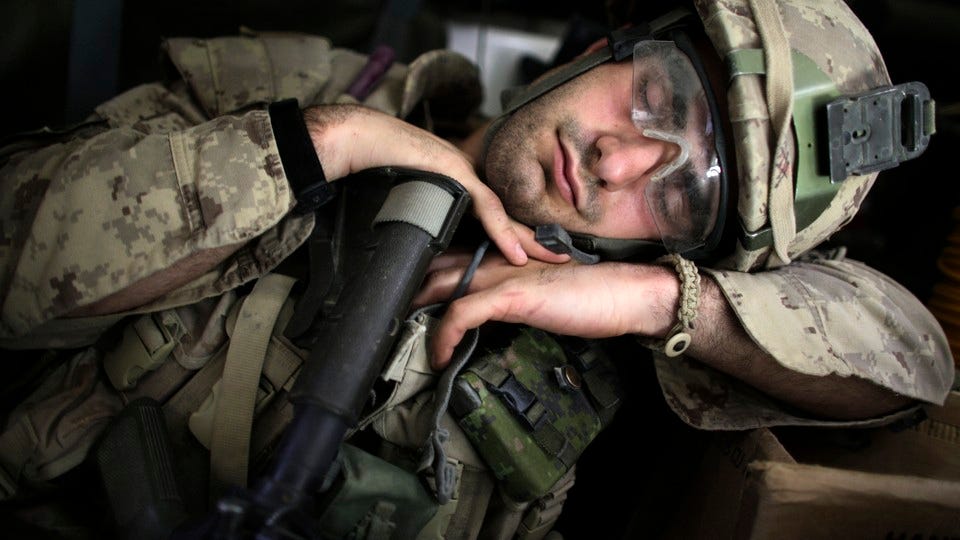
What happens to those depending on protection when the guards meant to watch over them sleeps at their posts?
The Fall of Constantinople in 1453 stands as one of history's most tragic examples of what happens when vigilance fails at the critical moment. For over a thousand years, the mighty walls of Constantinople had protected the Byzantine Empire's capital from countless attacks. The city's defenses were legendary—massive fortifications that had withstood siege after siege, defended by experienced soldiers who understood the strategic importance of their position.
When Sultan Mehmed II began his siege of Constantinople in April 1453, the city still possessed formidable defenses. The walls were strong, the defenders were skilled, and Emperor Constantine XI had positioned his limited forces as strategically as possible. The Ottoman forces were numerous and well-equipped, but the siege could have been successfully repelled if constant vigilance had been maintained.
However, as weeks passed and the immediate breakthrough seemed elusive, a dangerous complacency began to settle over the defenders. The siege had become routine—daily attacks that were repelled, nightly repairs to the walls, endless vigilance that gradually wore down the defenders' alertness. Night watches became less careful, guards grew weary at their posts, and the lookouts who should have been scanning every section of the massive fortifications began to focus only on the most obvious points of attack.
The Ottoman commander was patient and observant. He studied the patterns of the defenders, identified the weakest points in their vigilance, and waited for the moment when their attention would waver. That moment came on the night of May 29, 1453.
During the final assault, one of the most controversial elements of the city's fall involved the infamous Kerkoporta gate—a small gate in the Blachernae section of the wall. Historical accounts debate the exact details, but the consensus among historians is that this gate was either left unlocked or inadequately guarded during the crucial hours of the final attack. Whether through exhaustion, negligence, or simple human error, this critical entry point became the pathway for Ottoman forces to breach the defenses.
Once inside the walls, the Ottoman soldiers opened larger gates from within, allowing the main force to pour into the city. By the time the alarm was raised throughout Constantinople, it was too late. Emperor Constantine XI died fighting on the walls, and the city that had stood for over a millennium fell not primarily because its defenses were inadequate, but because those charged with maintaining vigilance had failed at the critical moment.
The fall of Constantinople changed the course of world history. The last remnant of the Roman Empire was extinguished, and the strategic gateway between Europe and Asia fell under Ottoman control for centuries to come. Thousands of innocent people paid the price for their guardians' negligence.
This historical tragedy perfectly illustrates our current spiritual situation. Let the watchmen awake, and give the trumpet a certain sound. We've been positioned as spiritual sentries, charged with watching for danger and warning those under our protection. But like those ancient defenders of Constantinople, many of us have grown comfortable and complacent in our watch.
Be sober, be vigilant; because your adversary the devil, as a roaring lion, walketh about, seeking whom he may devour. Our enemy isn't resting or growing careless. While we've been lulled into spiritual drowsiness by the routine of daily life, Satan has been studying our defenses, looking for moments of weakness, planning attacks that will catch sleeping churches off guard.
I've observed this pattern in churches and communities around me. The initial urgency of spiritual warfare gradually gives way to comfortable routines. Prayer meetings become social gatherings, Bible study turns into intellectual discussion without practical application, and the mission of warning the world gets lost in the busyness of maintaining religious programs.
Meanwhile, souls all around us are perishing without the knowledge of the truth, because you love your ease too well to bear the burden that Jesus bore for you. We've become like those Byzantine sentries who found their beds more appealing than their watch posts, our personal comfort more important than the lives depending on our vigilance.
The enemy understands something we seem to have forgotten: spiritual warfare never takes a break. While we sleep, he works. While we relax our guard, he advances. While we assume everything is secure, he positions forces for devastation that could have been prevented by alert watchmen doing their jobs.
Let us awake out of sleep. This isn't a gentle suggestion for gradual improvement—it's an urgent alarm for immediate action. Like those sleeping sentries who needed to be shaken awake before the enemy breached the walls, we need to recognize that our spiritual drowsiness has created vulnerabilities that threaten not just ourselves but everyone depending on our protection.
What makes this especially sobering is that we're not dealing with a historical siege that lasted weeks. We're living in the final moments of the great controversy between good and evil. The enemy's ultimate assault is already underway, and those we're supposed to be protecting are depending on watchmen who are alert, vigilant, and ready to sound clear warnings.
God commands His servants to cry aloud, spare not, lift up thy voice like a trumpet. But sleeping sentries can't sound trumpets. Drowsy watchmen can't detect approaching danger. Comfortable guards can't protect vulnerable people.
Are you fulfilling your role as a spiritual watchman, or have you fallen asleep at your post? What would it take to awaken you to the urgency of the times we're living in? How many people might be depending on your vigilance while you're preoccupied with personal ease?
"Be sober, be vigilant; because your adversary the devil walks about like a roaring lion, seeking whom he may devour" (1 Peter 5:8)
